The Question Your Jeweler Hopes You Never Ask
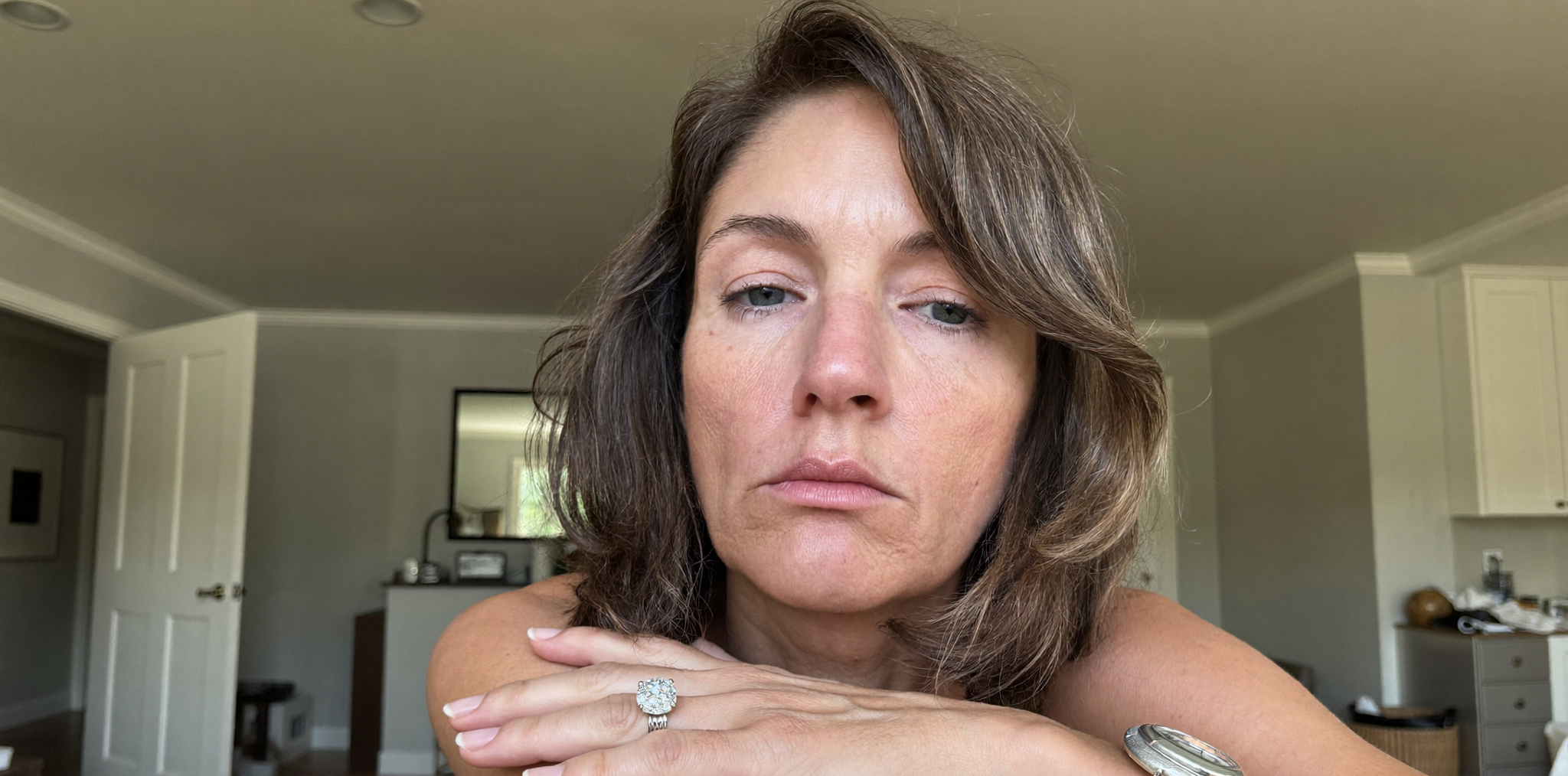
The hardest part of selling your engagement ring isn’t letting go.
It’s the moment a jeweler looks up from the loupe, gives you a sympathetic smile and offers you a number that feels like a second betrayal.
Most women don’t see it coming. They assume a ring that cost $12,000 will sell for something close to that. They assume jewelers compete to offer fair prices on high-quality diamonds. They assume a fair offer is the default.
None of that is true.
And if you’ve been carrying a ring around for months or years, telling yourself you’ll “deal with it eventually,” there’s something you need to understand about how the local-jeweler system actually works before you walk into another store.
I Kept the Ring in a Safe Deposit Box for Four Years. I Thought That Was the Hard Part.
My name is Linda. I’m 52. I got divorced in 2020.
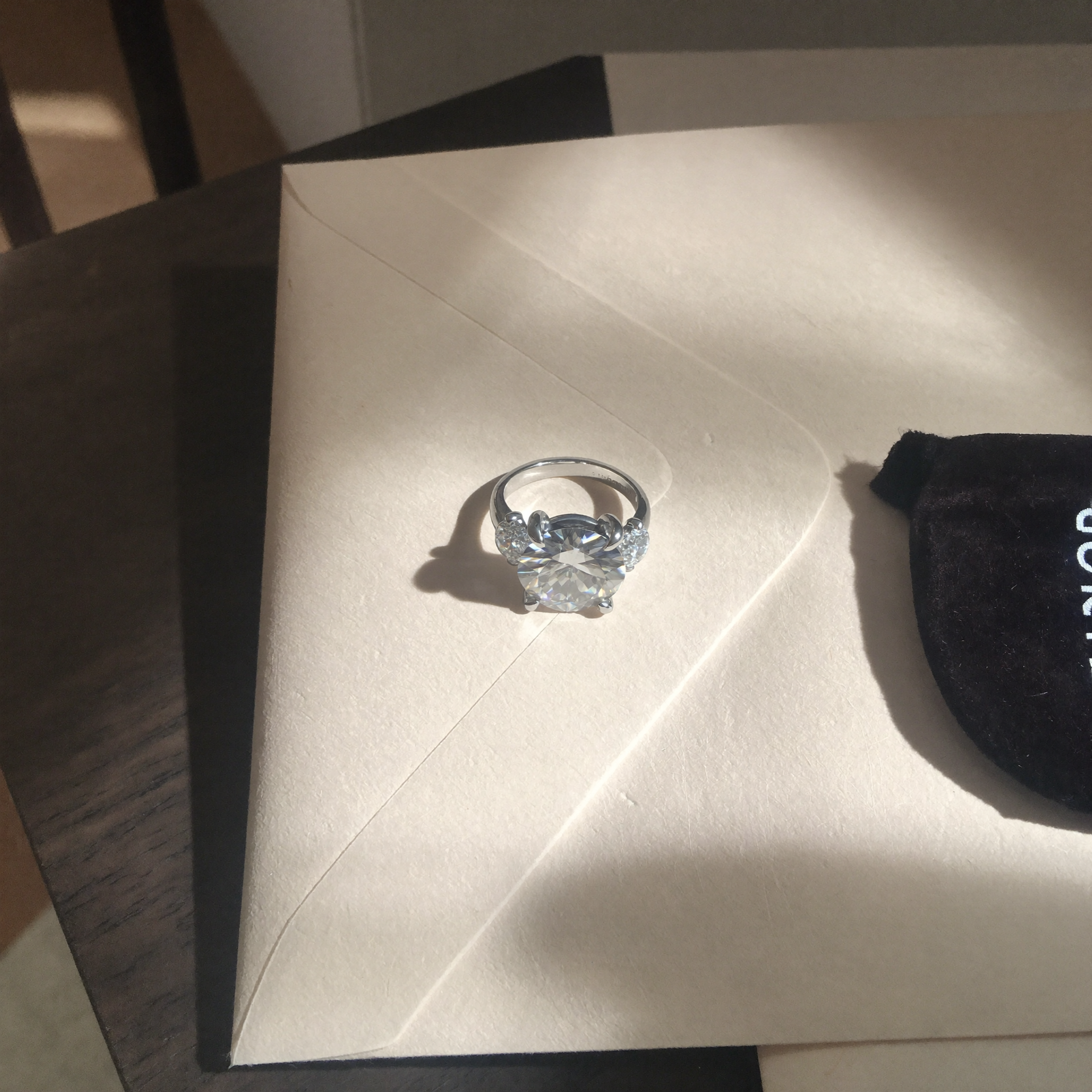
The week the papers were signed, I slid my engagement ring into a velvet pouch, drove it to my bank and locked it in a safe deposit box. I told myself I’d decide what to do with it “soon.”
Four years later, I was still paying $85 a year to store a 1.8-carat diamond I hadn’t looked at since the day I sealed it in the envelope.
Every few months, my sister would ask me about it.
“Have you done anything with the ring yet?”
“Not yet. Next month.”
“You said that in June.”
I didn’t have a good answer. I just wasn’t ready. The ring wasn’t just jewelry. It was the final reminder of a twenty-three-year marriage. It was our engagement. It was the night at my parents’ house. It was every anniversary I’d ever celebrated.
And underneath all of that was something else. Something I didn’t want to admit out loud:
I was afraid of finding out what it was really worth.
Because as long as the ring sat in that envelope, it was still valuable in my mind. It was the thing he had chosen. The thing he had paid for. The thing that represented the life we were supposed to have.
The moment someone gave me a number, that number would replace all of it.
The Jeweler’s Offer Changed Something in Me
Last spring, I finally made the appointment.
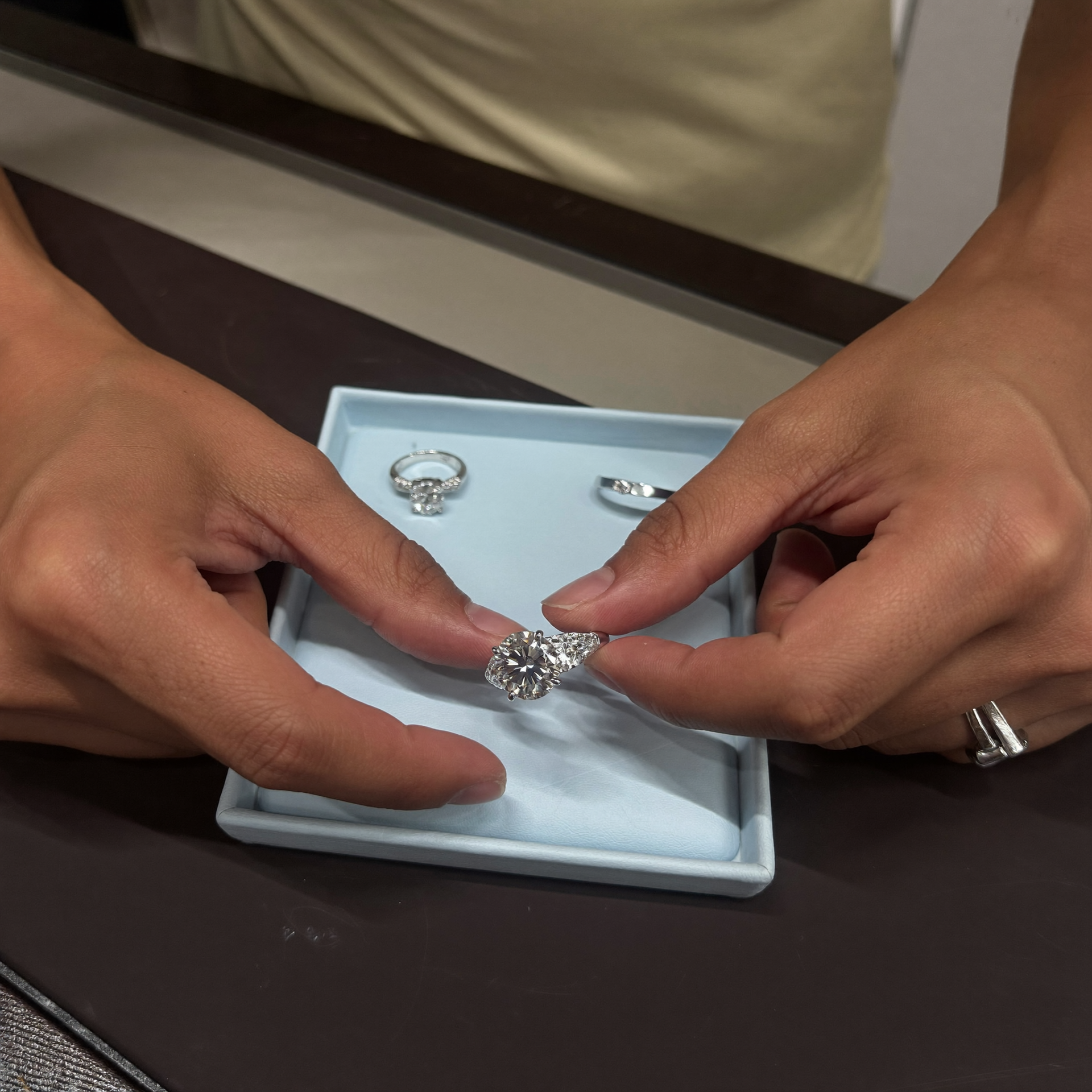
I brought the ring to a well-reviewed local jeweler. The kind of place with a real name, a real storefront and an Instagram account. Not a pawn shop. A nice place. I’d done what I thought was my homework. I’d pulled the original appraisal from the safe deposit box: $14,200.
He examined it for maybe seven minutes.
Then he looked up and said, “I can give you $2,800 for it today.”
I sat there for a second, waiting for him to smile and say he was kidding.
He didn’t.
“Appraisal values are for insurance,” he explained, in the tone someone uses when they’ve said the same sentence a thousand times. “That’s not what rings resell for. The market is soft right now. This is actually a pretty fair number.”
Twenty cents on the dollar.
After twenty-three years of marriage, four years of delay and an appraisal that said the ring was worth $14,200, a stranger with a loupe wanted to hand me $2,800 and send me on my way.
I told him I’d think about it.
I walked out to my car and sat in the parking lot for almost an hour. I wasn’t even crying. I was just angry.
Not at him. He was doing his job. I was angry at myself. For waiting four years. For not understanding the game I was walking into. For almost saying yes.
That night, I started researching.
And what I found out about how local jewelers actually price engagement rings made my stomach drop.
What I Learned About the “Single Buyer” Problem
The first thing I discovered, after two hours down a Reddit rabbit hole at 11 p.m., was that I was not alone.
Thread after thread. Woman after woman. Same story.
“Took my ring to a jeweler. Paid $18,000 for it. Offered $3,400.”
“Pawn shop offered me $900 for a one-carat. I walked out.”
“Tried Facebook Marketplace. Three scammers in an hour. Deleted the listing.”
“The jeweler offered me less than my husband spent on our honeymoon hotel.”
I kept scrolling. Every thread ended the same way. Someone asking what to do and half the replies saying “Just take the money, rings never resell for what you paid.” The other half were people furious at the system but out of ideas.
And then, buried in one of the threads, someone wrote something that stopped me cold:
The problem isn’t the ring. The problem is that you’re always selling to one person. One jeweler. One pawn shop. One buyer on Marketplace. They all know exactly one thing. Whatever they offer you, you have no one else to compare it to. You have no leverage. You’re negotiating alone against someone who does this every single day.
That was it.
That was the whole trick.
Then My Divorce Attorney Told Me to Call Margaret
Two weeks after the $2,800 offer, I mentioned the whole thing to my divorce attorney. I was embarrassed. I didn’t want her to think I’d handled any of it poorly.
She didn’t flinch.
“Call Margaret Ellis,” she said, pulling a business card from her desk drawer. “She’s a retired GIA-certified appraiser. Thirty years in the industry. She does consults for a few of my clients going through this. Tell her I sent you.”
I called Margaret the next day.
I read her the jeweler’s offer. I read her the appraisal number. I waited for her to tell me I’d been unreasonable.
Instead, she laughed. A tired, not-surprised laugh.
“Linda, what you just described isn’t a bad jeweler. It’s the entire industry. Can I tell you something I couldn’t say when I was still working?”
“Please.”
“When a jeweler buys a ring off the street, they’re not paying what it’s worth to the next buyer. They’re paying what it’s worth to them after they resell it at full retail, six to nine months from now, from their display case. That gap is their profit margin. For a ring like yours, that margin can run 300 to 500 percent.”
I had to sit down.
“So when he offered me $2,800...”
“He was probably going to put it in his case at around $11,000 and call it ‘pre-owned estate.’ That’s not a lowball. That’s the business model. He can’t pay you more. His whole store runs on that gap.”
The One Question That Changed Everything
“So what am I supposed to do?” I asked. “Keep it in a safe deposit box forever?”
Margaret was quiet for a second.
“Linda, there’s one question that decides whether you’ll get a fair outcome or not. And almost no one asks it before they sell.”
“What is it?”
How many qualified buyers are competing for my ring at the exact moment I sell it?
She kept going.
“With the local jeweler, the answer is one. One buyer, one opinion, one take-it-or-leave-it number. With a pawn shop, it’s one. And they’re the least motivated buyer on earth. With Facebook Marketplace, the answer is usually zero real buyers and ten scammers. With the ‘we buy your diamond’ mail-in services, it’s one again and they’re buying for their own inventory.”
“One buyer means no leverage. No competition. No fair price. That’s not a ‘you’ problem and it’s not a ‘bad jeweler’ problem. That’s the entire category.”
I asked her what a good answer to the question looked like.
“Ten. Twenty. Thirty. Real, vetted diamond buyers, all bidding on your ring at the same time, in an auction where you set a minimum price you’ll accept. That’s what a fair market looks like. That’s the only kind of sale where the price isn’t being quietly dictated to you by someone who profits from you not knowing better.”
She paused.
“There’s one company I send women to for this. It’s called Worthy. I’ll text you the link.”
What I Found When I Looked Into It
Worthy is an online auction platform built specifically for fine jewelry. Engagement rings, diamonds, inherited pieces, luxury watches. It’s been in business since 2011. It’s accredited by the Better Business Bureau. Its shipping is insured through Lloyd’s of London. Its diamonds are graded by the GIA. The same organization that had originally graded my ring when my husband bought it.
Here’s how the process actually works:
That fourth point was the one that changed my mind.
Because the whole reason I’d been terrified to sell the ring wasn’t really about the money. It was about losing control. Making a decision I couldn’t undo. Handing over something that mattered and not being able to get it back if the offer was insulting.
Reserve pricing removed that fear completely.
What Happened When I Finally Sold
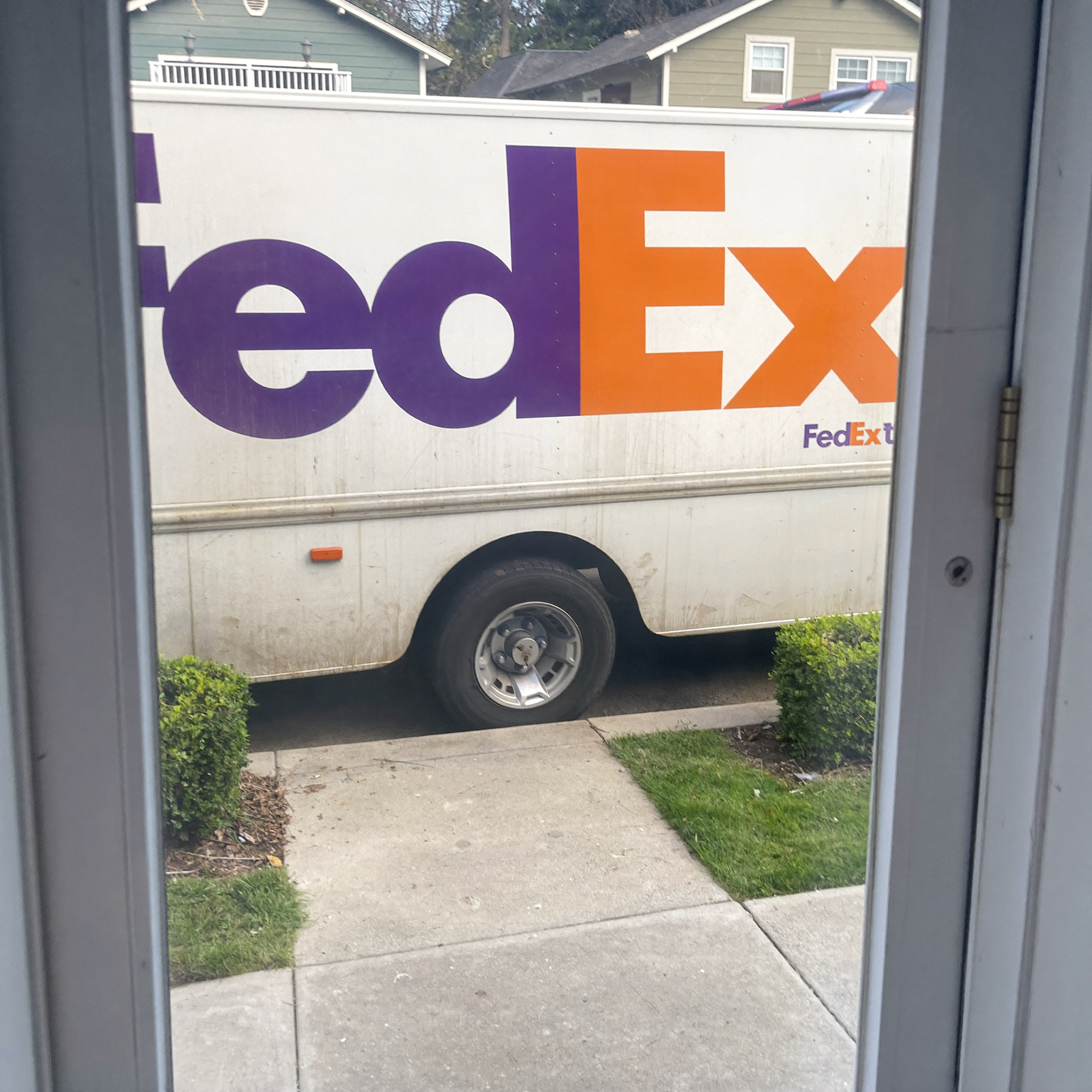
I shipped my ring on a Tuesday.
Worthy texted me the moment it was scanned at FedEx. Again when it arrived at their office. Again when it was checked in. Again when it went to the GIA.
The GIA report came back nine days later. My ring graded out essentially the way the original paperwork had described. Confirmed now by a neutral third party instead of the jeweler who’d sold it to us.
I set my reserve with my Worthy consultant, a woman named Rachel. She showed me what comparable rings had actually sold for on the platform in the last 90 days. Real data, not estimates. We set the reserve at a number I could live with if it didn’t go higher. And hoped for more.
The auction ran for four days.
Seventeen qualified buyers bid on my ring.
It sold for a final price I’ll describe only as: more than three times what the local jeweler had offered me, about four times what a pawn shop down the road would have paid.
It wasn’t the $14,200 on the original appraisal. Appraisals aren’t resale values. Margaret had explained that and she was right. The retail market and the resale market are not the same thing and no honest service will pretend they are.
But I wasn’t lowballed. I wasn’t taken advantage of. I knew exactly what my ring was, exactly who had bid on it and exactly what the real market said it was worth. I had set the floor. I had stayed in control the entire time. And I had done it without ever meeting a stranger, mailing something uninsured or accepting one person’s opinion as the final word.
When the wire hit my account, I did something I’d been putting off for five years.
I paid off the last of the credit card debt from the divorce.
And for the first time since 2020, I didn’t feel like I was still paying for that marriage.
What Other Women Have Said
“I was terrified to mail my mother's ring. The Lloyd's insurance was the only reason I went through with it. I could track every step.”
“The jeweler offered me $1,900. Worthy's auction went higher than I dared hope. I sat in my car and cried when I got the email.”
“What mattered most to me was that reserve price. If nobody hit my number, I was getting the ring back. That was the only reason I trusted it enough to ship it.”
Two Futures
I want you to picture two versions of next Christmas.
The ring is still in the drawer. Or the safe deposit box. Or the back of the closet. Another year has passed. Another holiday with it sitting there, representing a chapter you're trying to close. Another twelve months of storage fees, of your sister asking, of "I'll deal with it next month." And when you finally do sell it, next year or the year after, you walk into a jeweler, get offered twenty cents on the dollar and feel that same sick feeling I felt in the parking lot.
You take sixty seconds today to find out what your ring could actually sell for in a real competitive auction. Worthy sends you a free insured shipping label. Qualified buyers bid. You set the floor. You stay in control. And whatever the final number is, whether that's $4,000, $9,000 or something higher, you know it's the real market price. Not one jeweler's opinion. Not one pawn shop's guess. The actual market.
Common Questions
What if my ring doesn't sell?+
Is it really safe to mail a diamond?+
What does it cost me?+
Will I know what my ring is actually worth before I have to decide?+
How long does it take?+
See What Qualified Buyers Would Actually Pay for Your Ring
Before you take another lowball offer or let another year go by, find out what your ring could actually sell for in a real competitive auction. Free evaluation. No pressure. No obligation to sell.
P.S. If you’ve been carrying this decision for years, you’re not alone and you’re not behind. The women who make this work aren’t the ones who moved the fastest. They’re the ones who finally stopped trying to sell to one buyer, one jeweler or one pawn shop and let the market speak instead.
This is an advertisement and not an actual news article, blog post, or consumer update.
Advertorial Disclosure: This page is sponsored content. The narrator’s story is a composite based on experiences shared by Worthy customers and has been adapted for privacy. Individual outcomes vary. The publisher receives a commission when readers start a sale through this page.
Sale outcomes depend on item quality, reserve pricing, current market conditions and bidder activity. Worthy does not guarantee any specific sale price. Worthy is accredited by the Better Business Bureau. Shipping insurance is underwritten by Lloyd’s of London. Independent diamond grading is performed by the Gemological Institute of America (GIA).